
Zamak Die Casting Services
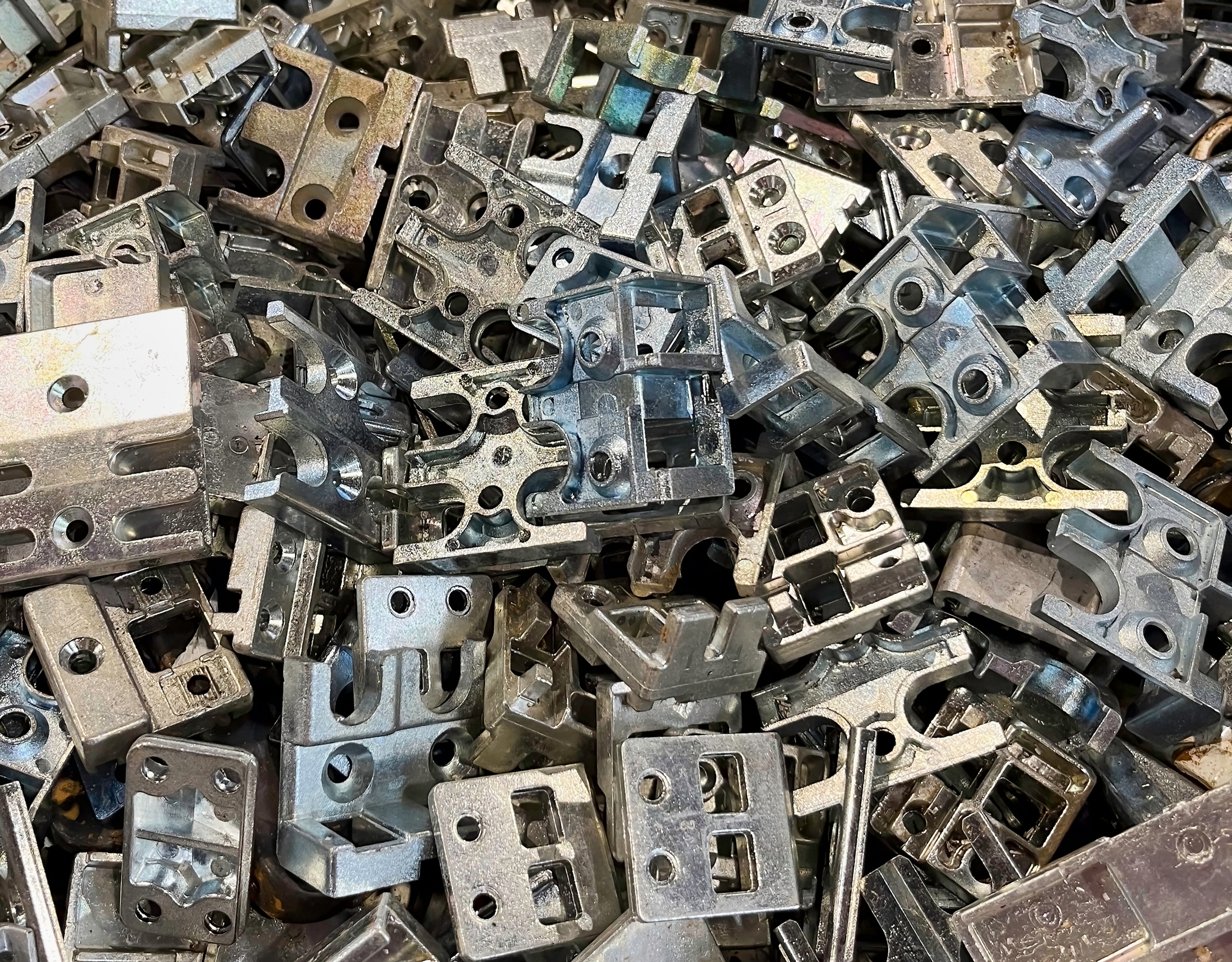
High-volume manufacturers often struggle with dimensional drift and surface defects on complex cast components. Poorly designed tooling creates scrap and ruins part tolerances during long production runs. Managing these tooling errors and quality issues is a constant, frustrating struggle for engineering departments.
At PHB, our Zamak die casting services help stabilize your supply chain with consistent, defect-free die cast parts. By coordinating tooling and production under our central umbrella, you can protect your bottom line and reduce the risk of shipping delays by working with a domestic casting partner. Continue reading to learn more about our Zamak die casting program and how we can reduce production costs, time, and headaches..
Get a Quote for Zamak Die Casting
PHB Eliminates Defect Risk in Complex Geometries
We validate your Zamak part geometry feature by feature before cutting tool steel to catch the five defect sources that ruin complex castings. Our engineers run MAGMAsoft® simulations and control tooling in-house to stop tolerance drift, short shots, and post-tooling rework from reaching your floor. Here is how we stop each risk:
Tolerance Buildup Across Multiple Features: We map your drawing dimensions and tolerances to your CAD model, as well as considering our CMM inspection protocol before we machine the die cavity. That mapping flags stacked tolerance deviations in the digital model and ensures your multi-feature castings fit the assembly on the first try.
Incomplete Fill On Thin Sections: We simulate alloy flow velocity through thin walls and long runners in MAGMAsoft® before building the tool. The simulation identifies early solidification zones. We adjust gate placement or wall thickness to match, and the first production shot fills.
Splitting One Design Into Several Castings: We sometimes consolidate multi-part fabrications into single Zamak castings on presses up to 800 tons. One tool replaces several, and your assembly line skips the alignment and fastening steps.
Secondary Machining to Hit Final Spec: Our machinists cut your critical surfaces to +/- 0.001 inches in our on-site CNC shop quickly after casting. Our single-facility workflow cuts transit delays between vendors.
Manufacturability Issues Found After Tooling Is Cut: We catch manufacturability errors in MAGMAsoft® simulation before we cut steel. Digital validation stops post-cut rework and your production ships on time.
Precision Zamak Cast Parts For Large OEMs
We operate hot-chamber die-casting presses ranging from 100 to 800 tons to support your high-volume OEM production runs. Our domestic manufacturing lines produce complex, net-shape components through these integrated Zamak die-casting services.
Coordinating tooling fabrication, casting operations, and precision machining within our single facility eliminates external logistical bottlenecks. We run our foundry and machine shop in one location to keep your production schedules predictable:
In-house coordinate measurement: Automated coordinate measuring machines inspect critical features directly against your original CAD models. This precise verification ensures multi-component assemblies function on your factory floor without additional operations.
Predictive mold-flow analysis: We run MAGMAsoft® thermal modeling to catch casting defects before cutting a single block of tool steel. Our predictive validation eliminates the cost of post-production tooling rework and keeps your project launch on schedule.
High-tonnage press capacity: Large-scale hot-chamber presses ranging up to 800 tons handle highly complex component geometries in single and multi-cavity molds. Consolidating multi-part fabrications into a single cast piece reduces your total tooling investment and eliminates assembly line fastening steps.
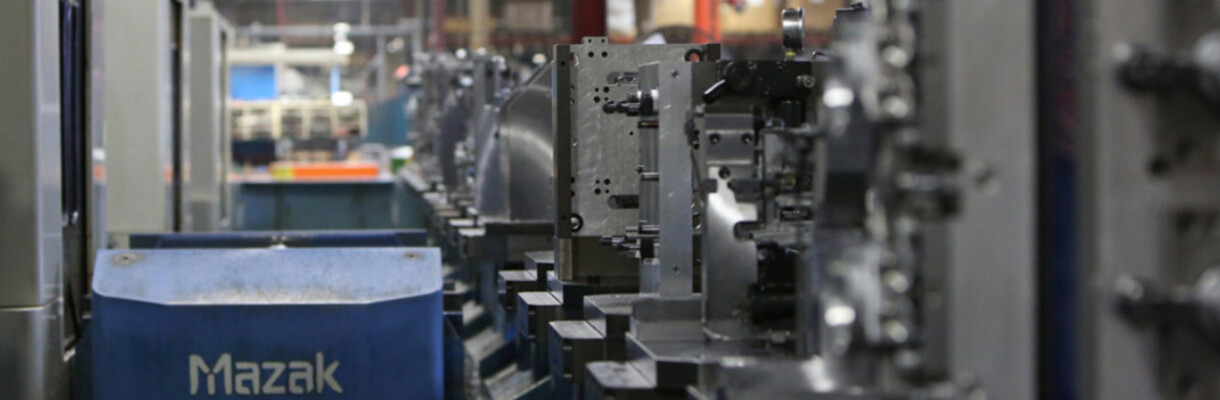
Co-located CNC machining: We perform all secondary machining operations on-site quickly after your parts leave the die cavity. Handling machining steps at our facility eliminates intermediate transit delays and ensures total quality accountability.
Selecting the Optimal Alloy for Your Zamak Die Casting Requirements
Our zinc die casting services cast specific alloys to meet your physical strength and thermal specifications. This material specification data guides the selection of the correct alloy for your component’s operating environment:
| Alloy Grade | Primary Composition Characteristics | Key Mechanical & Physical Benefits | Ideal High-Volume Applications |
| Zamak 3 | Standard zinc composition with balanced properties Most widely used zinc alloy |
High dimensional stability, excellent castability, and easy plating | Electronic housings, hardware, plumbing, brackets, and appliance components |
| Zamak 5 | Copper addition (~1%) for increased hardness | Higher tensile strength and improved creep resistance over Zamak 3 | Automotive under-hood components, mechanical gears, and latches |
| Zamak 7 | High-purity alloy with lower magnesium content | Superior fluidity for extremely thin-walled or intricate sections, corrosion resistance, dimensional stability, high ductility | Tight-tolerance electrical housings and complex shielding |
| ZA-8 | Zinc-aluminum alloy with 8% aluminum | Maximum hot-chamber cast strength and superior creep resistance | Heavy-duty structural brackets and pressurized fluid connectors |
| ZA-12 / ZA-27 | High aluminum content (12% and 27%) | Hardness and wear resistance comparable to bronze and cast iron | Heavy-duty industrial gearboxes, bushings, and bearing sleeves |
Rigorous Quality Assurance and IATF 16949 Compliance
Our quality management system maintains IATF 16949 certification to meet the strict requirements of the automotive and industrial supply chains. We use Advanced Product Quality Planning to identify and eliminate production risks before molten metal enters our die cavities. Inspectors record critical dimensions on electronic control charts to monitor process variation in real time.
Pressure-tightness testing uses automated vacuum decay and mass-flow equipment to verify the integrity of fluid-routing castings. Non-destructive testing methods, such as real-time X-ray imaging, scan the metal’s internal structure to detect subsurface gas pockets known as porosity. These verification steps prevent defective components from entering your final assembly line.
Preventing Subsurface Porosity via Flow Simulation and Tool Design
At PHB, our CAD engineers model custom gating systems and runner networks to control fluid velocity during high-pressure injection. We run MAGMAsoft® simulations to calculate the precise thermal patterns and cooling parameters of the molten alloy. This advanced fluid modeling determines the exact physical placement of mold vents and overflows to prevent air entrapment.
Tool steel specification determines how well our die cavities withstand extreme thermal shock and molten alloy erosion. We machine our mold cores from premium H13 hot-work tool steels and heat-treat the inserts to a specific Rockwell C hardness. Custom-drilled internal cooling lines regulate the tool temperature during production to prevent steel checking and soldering.
Close-Tolerance CNC Machining and Surface Finishing
We utilize multi-axis milling machines and automated lathes to execute close-tolerance machining on raw cast components. Our machinists cut O-ring grooves, bore concentric shafts, and face gasket surfaces down to dimensional limits of +/- 0.001 inches. Integrated spindle touch probes measure these critical surfaces mid-cycle to ensure absolute geometric accuracy before part release.
We manage multiple certified chemical finishing lines to protect your components from corrosion. Technicians apply powder coatings, chromate conversions, e-coats, and other treatments to meet your environmental exposure specifications. These surface treatments prevent oxidation and provide electrical insulation or shielding on electronic housings.
Partner With PHB For Zamak Die Casting Services
Sourcing reliable Zamak die-casting services is critical for protecting the quality and fit of your high-volume components. Correct material selection and upfront design validation prevent costly line shutdowns and keep your manufacturing schedules on track.
PHB supports your large-scale production goals with single-source manufacturing from tool design to surface finishing. We absorb your logistical headaches and maintain your dimensional standards over millions of production cycles.
Click below for a quote and to learn more about our high-volume component supply options.
[/wpv-noautop]